Understanding Vitiligo Through a New Lens
Vitiligo is one of the world's most recognised skin conditions, yet it remains widely misunderstood. Characterised by patches of skin losing their natural colour, vitiligo occurs when melanocytes, the cells responsible for producing melanin, are damaged or destroyed.
Researchers now understand that vitiligo is far more than a cosmetic condition. It involves a complex interaction between autoimmune activity, oxidative stress, genetics and environmental factors.¹ For many people, the condition can also carry a significant emotional and psychological burden.³
As scientists continue searching for new approaches to support skin health, one area attracting growing attention is the relationship between cannabis-derived compounds and the skin's own endocannabinoid system.
Could cannabinoids offer a future complementary tool for vitiligo management?
The Skin Has Its Own Endocannabinoid System
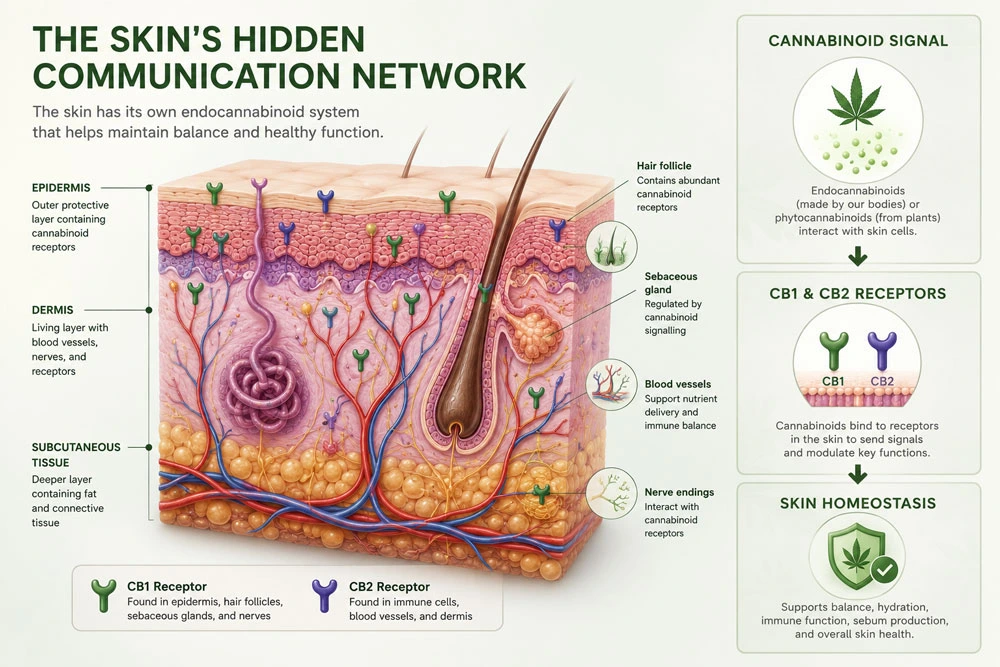
Most people associate the endocannabinoid system (ECS) with the brain and nervous system. However, the skin also contains a sophisticated network of cannabinoid receptors, signalling molecules and enzymes known as the cutaneous endocannabinoid system.⁴
This system helps regulate several important skin functions, including:
- Inflammation
- Immune responses
- Cell growth
- Skin barrier integrity
- Pigmentation
Because melanocytes contain cannabinoid receptors, researchers have begun investigating whether cannabinoids may influence how pigment is produced and distributed throughout the skin.²⁴
Can Cannabis Help Stimulate Pigmentation?
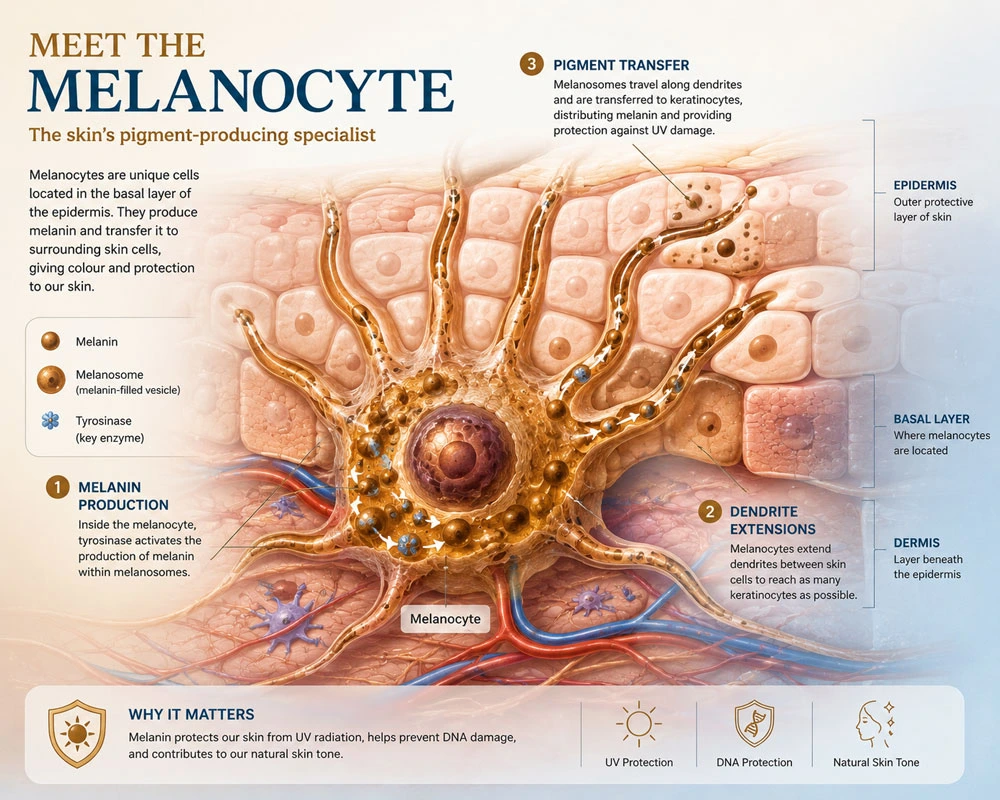
One of the most exciting discoveries comes from laboratory studies examining cannabidiol (CBD) and melanocyte function.
Research suggests that CBD can bind to CB1 receptors found on melanocytes. This interaction activates signalling pathways that increase the activity of MITF and tyrosinase. Two critical regulators involved in melanin production.¹
In simple terms, cannabinoids may help encourage pigment-producing cells to become more active.
Researchers have also observed that cannabinoids can increase the branching structures of melanocytes, known as dendrites. These structures are responsible for transferring pigment to surrounding skin cells. Enhanced dendriticity may improve the skin's ability to distribute newly produced melanin.²
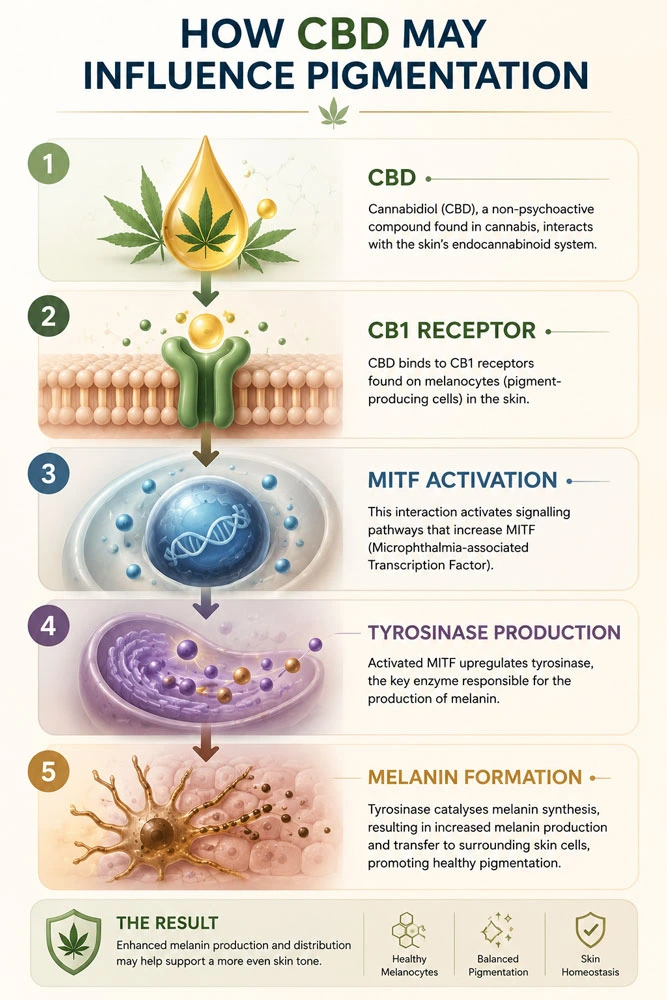
While these findings are promising, it is important to note that most evidence currently comes from cell and animal studies rather than large human clinical trials.
Protecting Melanocytes From Damage
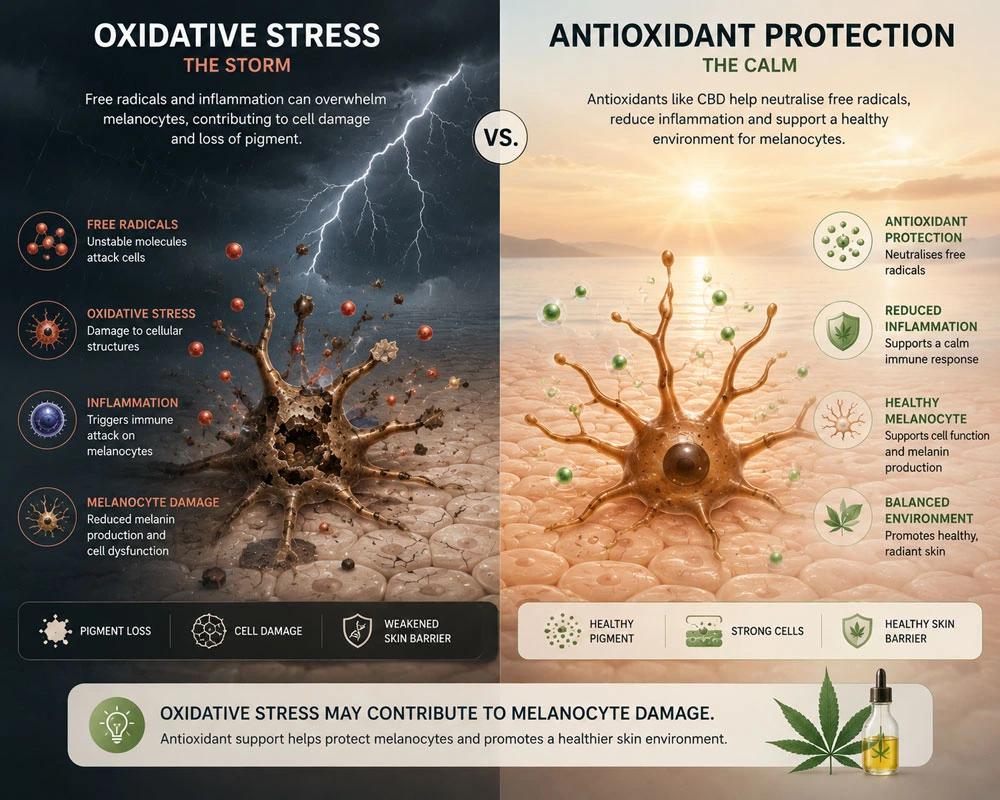
Vitiligo progression is not simply a matter of reduced pigment production. The condition involves ongoing attacks against melanocytes by the immune system.
Oxidative stress plays a major role in this process. When excessive free radicals accumulate, melanocytes become more vulnerable to destruction.¹³
This is where CBD's antioxidant properties become particularly interesting.
Research indicates that CBD may help:
- Reduce oxidative stress
- Neutralise free radicals
- Support cellular resilience
- Modulate inflammatory signalling¹²⁶
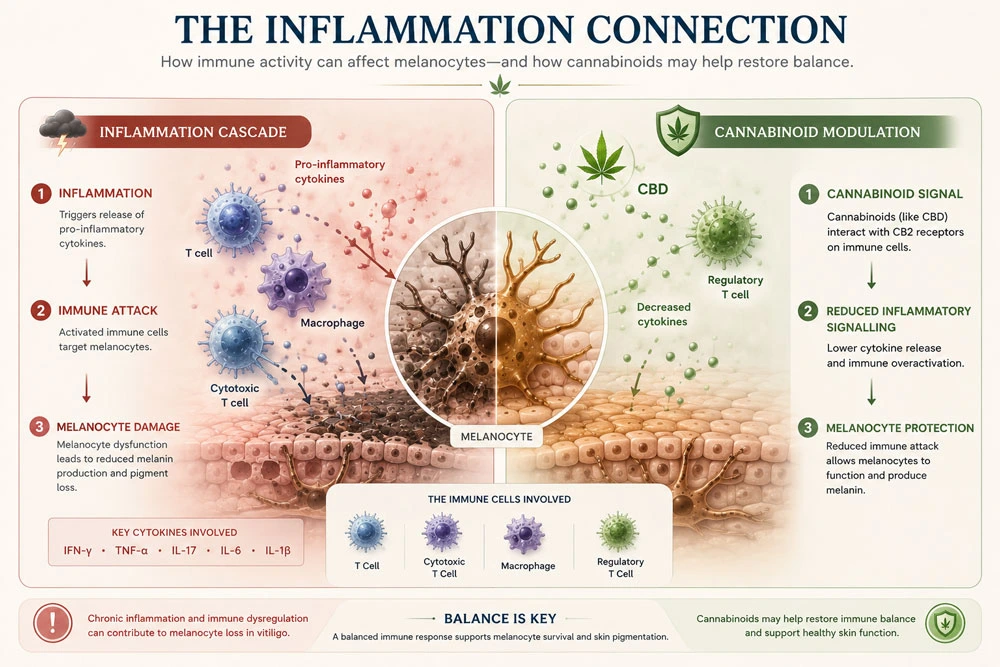
Several studies have also reported reductions in pro-inflammatory cytokines such as IL-6 and IL-17 following cannabinoid exposure, while anti-inflammatory markers may increase.²⁶
Although researchers are still investigating the clinical significance of these findings, they suggest that cannabinoids could potentially help create a healthier environment for melanocyte survival.
Why Topical Products Are Receiving the Most Attention
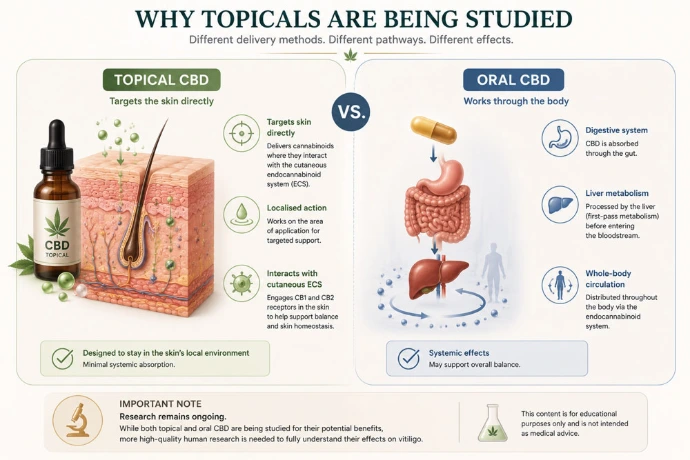
When discussing cannabis and skin health, delivery method matters.
Most vitiligo-related cannabinoid research focuses on topical applications, including creams, balms and oils.²⁵
Topical formulations allow cannabinoids to interact directly with the skin's endocannabinoid system without first passing through the digestive tract and liver.
However, cannabinoids are highly lipophilic, meaning they do not easily penetrate the skin barrier on their own. Researchers are therefore exploring specialised delivery technologies and permeation enhancers that may improve absorption into deeper skin layers where melanocytes reside.⁵
This is one reason why product formulation may ultimately prove just as important as the cannabinoid itself.
Frequently Asked Questions About Cannabis and Vitiligo
- Can CBD cure vitiligo? No. There is currently no evidence that CBD can cure vitiligo. While laboratory studies suggest that cannabinoids may support pigmentation pathways, reduce inflammation, and help protect melanocytes from oxidative stress, human clinical trials are still limited. More research is needed before CBD can be considered a proven treatment option.
- How might CBD help people with vitiligo? Researchers believe CBD may help in two ways. First, it may stimulate melanocytes to produce more melanin, the pigment responsible for skin colour. Second, its antioxidant and anti-inflammatory properties may help protect melanocytes from some of the damage associated with vitiligo progression.¹²⁶
- Is topical CBD better than oral CBD for vitiligo? Most current research focuses on topical formulations such as creams, balms, and oils. Applying cannabinoids directly to the skin allows them to interact with the cutaneous endocannabinoid system where melanocytes are located.²⁵ Scientists are still investigating whether topical delivery offers advantages over oral products for pigmentation-related conditions.
- What is the skin's endocannabinoid system? The skin contains its own network of cannabinoid receptors, signalling molecules, and enzymes known as the cutaneous endocannabinoid system. This system helps regulate inflammation, immune function, skin barrier health, cell growth, and pigmentation.⁴
- Can cannabinoids increase skin pigmentation? Preclinical research suggests that cannabinoids such as CBD may activate pathways involved in melanogenesis. The process of producing melanin. Researchers have observed increased activity of pigment-producing enzymes and improved melanocyte function in laboratory studies.¹² However, human studies are still needed to confirm these effects.
- Is cannabis research for vitiligo still in the early stages? Yes. Most evidence currently comes from laboratory and animal studies. While the results are promising, large-scale human clinical trials are necessary to determine effectiveness, optimal dosing, safety, and long-term outcomes before cannabinoids can be recommended as a standard vitiligo treatment.¹²⁶
- Can stress affect vitiligo? Research suggests that psychological stress may influence immune function, inflammation, and oxidative stress, all of which are involved in vitiligo.³ This does not mean stress causes vitiligo, but managing overall wellbeing may form part of a comprehensive approach to skin health.
- What should consumers look for when choosing a CBD topical product? Consumers should prioritise products that provide clear ingredient information, third-party testing, and transparent manufacturing practices. Because cannabinoids naturally struggle to penetrate the skin barrier, formulation quality may significantly influence how effectively active compounds reach the deeper layers of the skin.⁵
- What is the most important takeaway from current research? The most important takeaway is that cannabinoids show promising biological activity relevant to vitiligo, including supporting pigmentation pathways, reducing oxidative stress, and modulating inflammation. However, they should currently be viewed as a potential complementary support tool rather than a proven treatment or cure.¹²⁶
The Bottom Line
Current research suggests that cannabinoids may influence several biological pathways relevant to vitiligo, including pigment production, oxidative stress and immune regulation.¹²⁶
However, the science remains in its early stages. While laboratory findings are encouraging, cannabis-derived products should not be viewed as a cure for vitiligo. Much larger human studies are still needed to determine effectiveness, safety and optimal treatment approaches.
For now, the relationship between cannabis and vitiligo represents an intriguing frontier in dermatology. One that highlights how the endocannabinoid system may play a far greater role in skin health than previously imagined.

References
- Pang, Y., et al. (2021). Plant-Derived Compounds as Promising Therapeutics for Vitiligo. Frontiers in Pharmacology, 12. https://doi.org/10.3389/fphar.2021.
- Ramer, R., & Hinz, B. (2022). Cannabinoid Compounds as a Pharmacotherapeutic Option for the Treatment of Non-Cancer Skin Diseases. Cells, 11(24), 4102. https://doi.org/10.3390/cells11244102
- Di Bartolomeo, L., et al. (2023). Vitiligo and Mental Health: Natural Compounds’ Usefulness. Antioxidants, 12(1), 176. https://doi.org/10.3390/antiox12010176
- Tóth, K. F., et al. (2019). Cannabinoid Signalling in the Skin: Therapeutic Potential of the “C(ut)annabinoid” System. Molecules, 24(5), 918. https://doi.org/10.3390/molecules24050918
- Makhakhe, L. (2022). Topical Cannabidiol (CBD) in Skin Pathology – A Comprehensive Review and Prospects for New Therapeutic Opportunities. South African Family Practice, 64(1). https://doi.org/10.4102/safp.v64i1.5493
- Rusu, A. (2024). Cannabidiol in Skin Health: A Comprehensive Review of Topical Applications in Dermatology and Cosmetic Science. International Journal of Molecular Sciences.
Disclaimer: This blog supports responsible cannabis use. The information contained in this article is for educational and informational purposes only and is not intended as health or medical advice. Always consult a physician or other qualified health provider regarding any questions you may have about a medical condition or health objectives.