1. Introduction
CBD is one of more than a hundred cannabinoids identified in the cannabis plant. Unlike delta-9-tetrahydrocannabinol (THC), it does not cause intoxication. Its broad pharmacological activity has attracted scientific interest across neurology, psychiatry, dermatology and other areas of medicine.⁶
Two claims now dominate the consumer conversation: that CBD can calm irritated, inflamed or ageing skin, and that it can help reduce stress or anxiety. This article examines both claims against the peer-reviewed evidence.
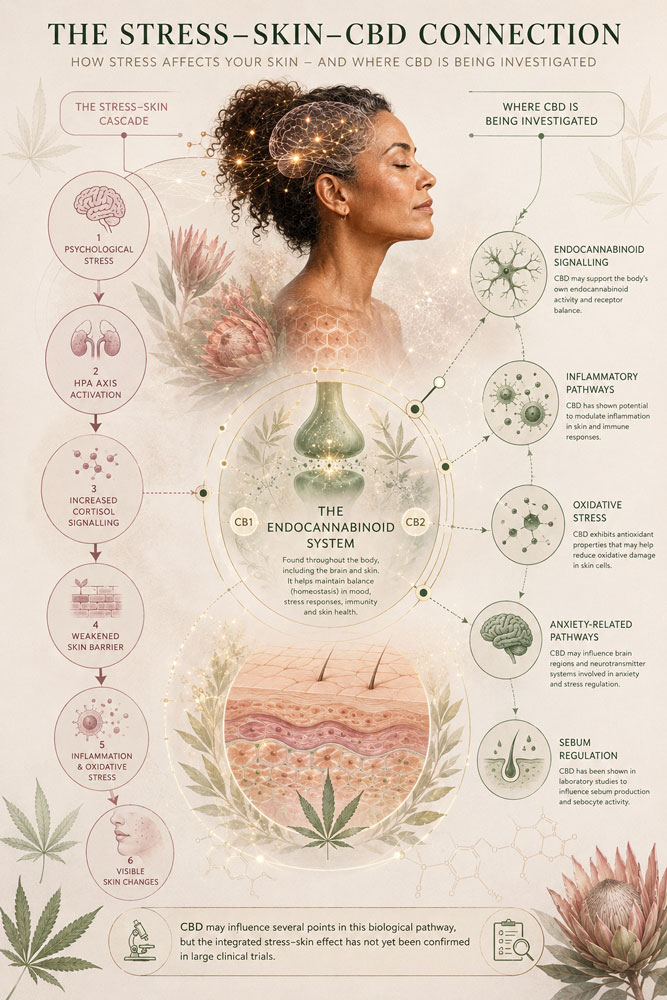
Importantly, these subjects should not be considered in isolation. Psychological stress is a recognised factor that can aggravate many skin conditions. At the same time, the endocannabinoid system plays a key role in both skin function and the regulation of the body's stress response. Understanding this relationship is essential when considering what CBD may, and may not, reasonably be expected to do.
2. The Endocannabinoid System: A Shared Substrate for Skin and Mind
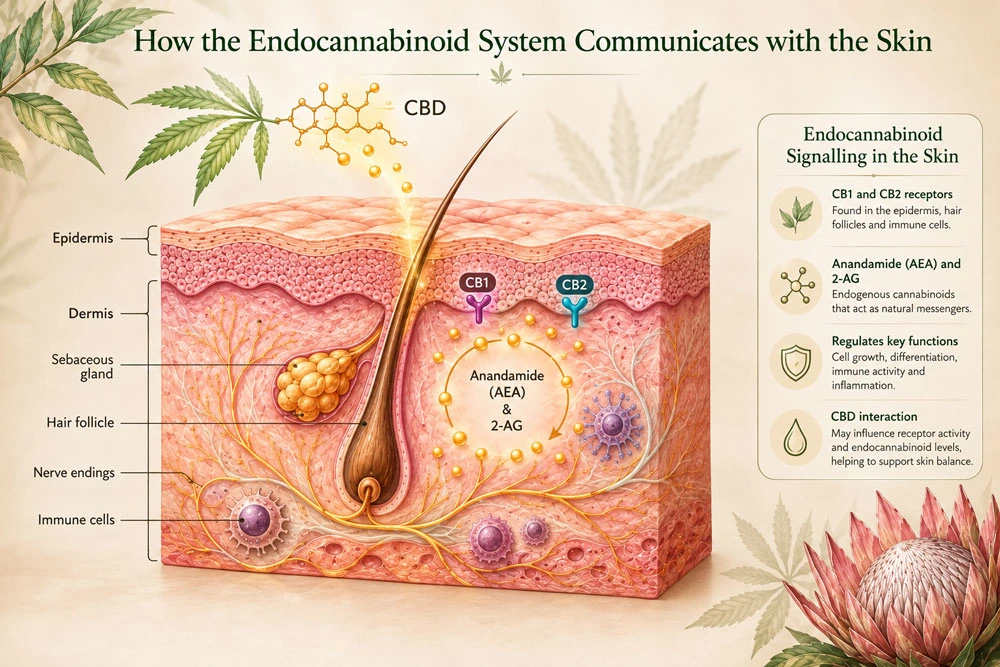
The endocannabinoid system comprises endogenous lipid-signalling molecules, primarily anandamide and 2-arachidonoylglycerol; the cannabinoid receptors CB1 and CB2; and the enzymes responsible for producing and breaking down these signalling molecules.
The ECS is found throughout the body and contributes to broad homeostatic or “balance-keeping” functions.¹
The landmark review by Bíró and colleagues established that the skin possesses its own fully functional endocannabinoid system.¹ Endocannabinoids are produced locally in the epidermis, sebaceous glands and hair follicles. They act through CB1, CB2 and other receptors to regulate the proliferation, differentiation, survival and immune activity of skin cells.¹
The authors described the central physiological role of the cutaneous ECS as maintaining balanced skin-cell growth, differentiation and immune tolerance. When this balance is disrupted, it may contribute to inflammatory, proliferative or other skin disorders.¹
This framework forms the scientific foundation for investigating topical cannabinoids. The skin is not merely a passive surface onto which cannabinoids are applied. It is a biologically active organ containing receptors, enzymes and signalling pathways capable of responding to them.
The same system also operates in the brain, where it is involved in anxiety, fear extinction, mood and the physiological response to stress.
CBD interacts with the ECS differently from THC. Rather than binding strongly and directly to CB1 or CB2 receptors, it affects a broader range of molecular targets. These include serotonergic 5-HT1A receptors, transient receptor potential channels such as TRPV1 and TRPV4, peroxisome-proliferator-activated receptors and adenosine A2A signalling. CBD may also influence the levels and activity of the body’s own endocannabinoids.¹,³,⁵
This broad pharmacological profile helps explain why the same molecule is being investigated for effects in both inflamed skin cells and stress-processing regions of the brain.
3. CBD and the Skin
3.1 Anti-inflammatory and Sebostatic Activity: The Acne Evidence
Some of the most rigorous mechanistic evidence in cannabinoid dermatology comes from a study by Oláh and colleagues, published in The Journal of Clinical Investigation.²
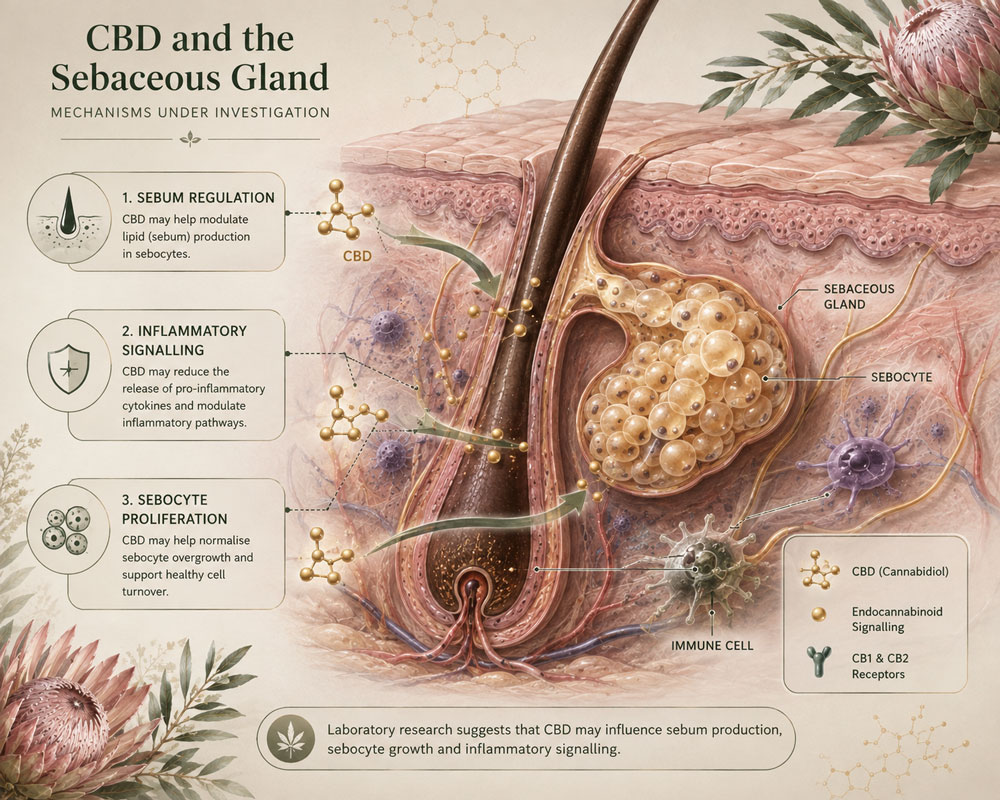
Using cultured human sebocytes, the cells responsible for producing sebum, and human skin organ cultures, the researchers found that CBD exerted three actions relevant to acne.²
First, CBD was sebostatic. It reduced the excessive lipid or sebum production triggered by pro-acne stimuli, including arachidonic acid and a combination of linoleic acid and testosterone.²
Second, it was antiproliferative. CBD helped normalise excessive sebocyte growth without causing widespread cell death.²
Third, it demonstrated anti-inflammatory activity, reducing inflammatory signalling associated with acne development.²
The sebostatic and antiproliferative effects were associated with the activation of TRPV4 ion channels and downstream calcium signalling. The anti-inflammatory effects involved adenosine A2A receptor activity, upregulation of the stress-response protein TRIB3 and inhibition of NF-κB signalling.²
Acne develops through several overlapping processes, including excess sebum, abnormal cell proliferation, blocked follicles and inflammation. A compound that affects more than one of these pathways is therefore mechanistically interesting.
However, mechanistic promise should not be confused with confirmed clinical effectiveness. These findings were largely obtained from cultured cells and skin models rather than from large, randomised trials involving people with acne.
3.2 Antioxidant and Potential Anti-Ageing Activity
Oxidative stress is another important part of the dermatological rationale for CBD.
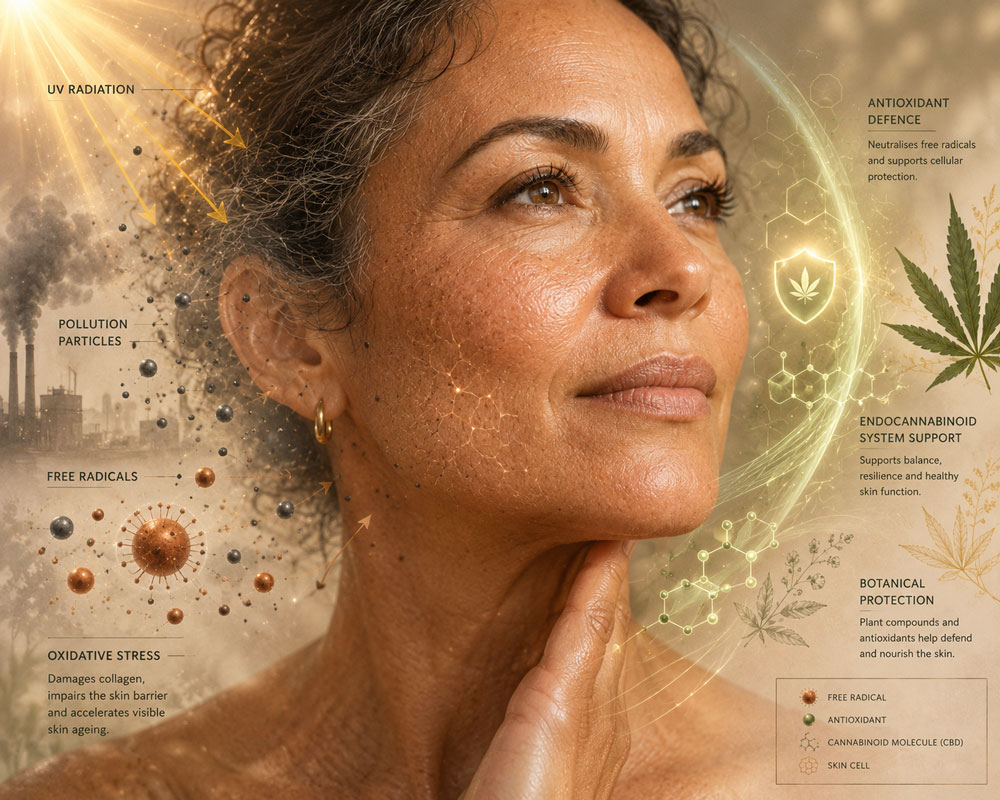
Reactive oxygen species (ROS) are generated through normal metabolism and by external exposures such as ultraviolet radiation and pollution. In excess, they can damage lipids, proteins and DNA, contributing to inflammation and premature skin ageing.
The review by Atalay and colleagues describes several ways in which CBD may influence oxidative stress.³ CBD can participate in free-radical scavenging, reduce oxidative damage and affect cellular antioxidant defence systems, including the Nrf2 pathway.³
Some of this activity may result from CBD’s chemical structure and its ability to interrupt reactions involved in lipid peroxidation. Other effects may occur indirectly through endocannabinoid, receptor and adenosine-related signalling.³
These findings support the investigation of CBD as a potential antioxidant cosmetic ingredient. They do not, however, establish that every CBD-containing skincare product will produce a meaningful anti-ageing effect in people.
3.3 The Broader Clinical Picture
The central question is whether these laboratory findings translate into demonstrated benefits in humans.
Recent dermatological reviews are cautiously optimistic but consistent in their warnings about the maturity of the evidence.
Redmond and Finn reviewed the therapeutic potential of CBD across several skin conditions and noted that CBD interacts with multiple molecular targets expressed in the skin.⁴ The authors identified possible applications in acne, psoriasis, atopic dermatitis, seborrhoeic dermatitis and wound healing, along with moisturising properties that may have cosmetic relevance.⁴
A review by Baswan and colleagues reached a similar conclusion. Available in vitro, in vivo and early clinical evidence supports further investigation of CBD’s antioxidant, anti-inflammatory, moisturising, anti-acne, wound-healing and potential anti-ageing properties.⁹
The important limitation is that relatively few well-controlled human trials have been completed. Much of the evidence still comes from cells, reconstructed skin, animal models, small observational studies or products containing multiple ingredients.
Researchers also continue to investigate how CBD can be delivered effectively through the skin.
3.4 Why Topical Formulation Matters
CBD is highly lipophilic, meaning it dissolves more readily in fats and oils than in water. This property affects how easily it moves through the skin barrier.
A topical product may contain CBD without necessarily delivering a useful amount to the intended layer of the skin. Product performance can be influenced by the carrier ingredients, the concentration of CBD, the stability of the formulation and the delivery technology used.
Researchers are exploring approaches such as nanoencapsulation, lipid carriers, liposomes and transdermal systems to improve the stability, penetration and release of CBD.⁴,⁹
This means that findings obtained with one carefully designed formulation cannot automatically be applied to every CBD cream, balm, serum or oil available commercially.
Skin evidence in perspective
CBD has demonstrated anti-inflammatory, sebostatic and antioxidant activity in laboratory studies. The biological rationale is credible, but controlled human evidence remains limited. Formulation quality and skin delivery are central to whether a topical product is likely to perform as intended.
4. CBD and Stress
4.1 The Stress Response, Briefly
Psychological stress activates the hypothalamic–pituitary–adrenal axis, commonly known as the HPA axis. This process leads to the release of cortisol from the adrenal glands and is accompanied by sympathetic nervous system activity and neuropeptide signalling.⁵
An acute stress response can be adaptive. It helps the body respond rapidly to a challenge or threat.
Problems may arise when stress becomes persistent or poorly regulated. Long-term changes in glucocorticoid, nervous system and immune signalling may affect mood, sleep, inflammation and physical health.
As discussed later in this review, chronic stress can also affect the skin.
4.2 Preclinical and Mechanistic Evidence
One of the most influential reviews of CBD and anxiety was published by Blessing and colleagues in Neurotherapeutics.⁵
The authors assessed preclinical, human experimental, clinical and epidemiological evidence. They concluded that preclinical findings strongly supported further investigation of CBD in conditions including generalised anxiety disorder, panic disorder, social anxiety disorder, obsessive–compulsive disorder and post-traumatic stress disorder.⁵
The mechanisms proposed include activity at serotonergic 5-HT1A receptors and modulation of endocannabinoid signalling in regions of the brain involved in fear and anxiety.⁵
A crucial limitation was also identified. Much of the available research involved single or acute doses of CBD. Far fewer studies had examined chronic administration, long-term outcomes or people receiving treatment in ordinary clinical settings.⁵
That limitation remains important. Evidence that a single dose changes an experimentally induced anxiety response does not automatically prove that regular consumer use will produce the same result.
4.3 Controlled Human Evidence
Two human studies are frequently cited as important early signals.
In a double-blind, randomised, placebo-controlled trial, Bergamaschi and colleagues studied 24 treatment-naïve participants with generalised social anxiety disorder.⁷
Participants received either a single 600 mg dose of CBD or a placebo approximately 90 minutes before completing a simulated public-speaking test. A separate group of healthy controls completed the same task without medication.⁷
Compared with placebo, CBD reduced anxiety, cognitive impairment and discomfort during the speech. It also affected anticipatory responses before the task. The responses of participants receiving CBD became more similar to those of the healthy control group.⁷
The study was small and investigated a single, relatively high dose. It nevertheless provides controlled evidence that CBD can affect an acute stress-induced anxiety response under specific experimental conditions.
4.4 Evidence from Clinical Practice
Shannon and colleagues examined CBD use in a retrospective case series involving adults receiving psychiatric care for anxiety or sleep concerns.⁸
The researchers reviewed patient records after CBD was added to usual clinical care. Anxiety scores decreased in many patients during the first month and remained lower for much of the follow-up period. Sleep scores improved in some patients but were less consistent over time.⁸
CBD was generally well tolerated, although a small number of patients discontinued it because of adverse effects.⁸
As an uncontrolled retrospective case series, the study cannot establish that CBD caused the reported improvements. There was no placebo group, participants were receiving ordinary clinical care, and expectation effects cannot be excluded.
Its value lies in providing an early signal of tolerability and possible benefit in a real-world clinical environment.
4.5 Acute Evidence Is Not the Same as Long-Term Evidence
The anxiety literature is more clinically developed than the topical dermatology literature, but it shares a central limitation: the strongest findings tend to involve acute or relatively short-term use.
The carefully controlled public-speaking study used a single 600 mg dose of purified CBD.⁷ This is substantially different from the small quantities found in many general wellness products.
It is therefore not scientifically appropriate to assume that every low-dose CBD oil, capsule or gummy will reproduce the outcomes observed in a controlled clinical trial.
Stress evidence in perspective
Controlled and observational studies provide encouraging early evidence that CBD may influence anxiety under certain conditions. The strongest findings involve acute dosing, small samples or specific clinical settings. More long-term, controlled research is needed.

5. The Stress–Skin Axis: Where the Two Stories Converge
The scientific reason for discussing skin and stress in the same article is that they are biologically connected through what is often called the brain–skin axis.
5.1 How Psychological Stress Affects the Skin
The study by Choe and colleagues provides a useful demonstration of this connection.⁶
Psychological stress increases glucocorticoid activity through the HPA axis. The skin can also generate active cortisol locally. An enzyme called 11β-hydroxysteroid dehydrogenase type 1 converts inactive cortisone into active cortisol within skin and mucosal tissue.⁶
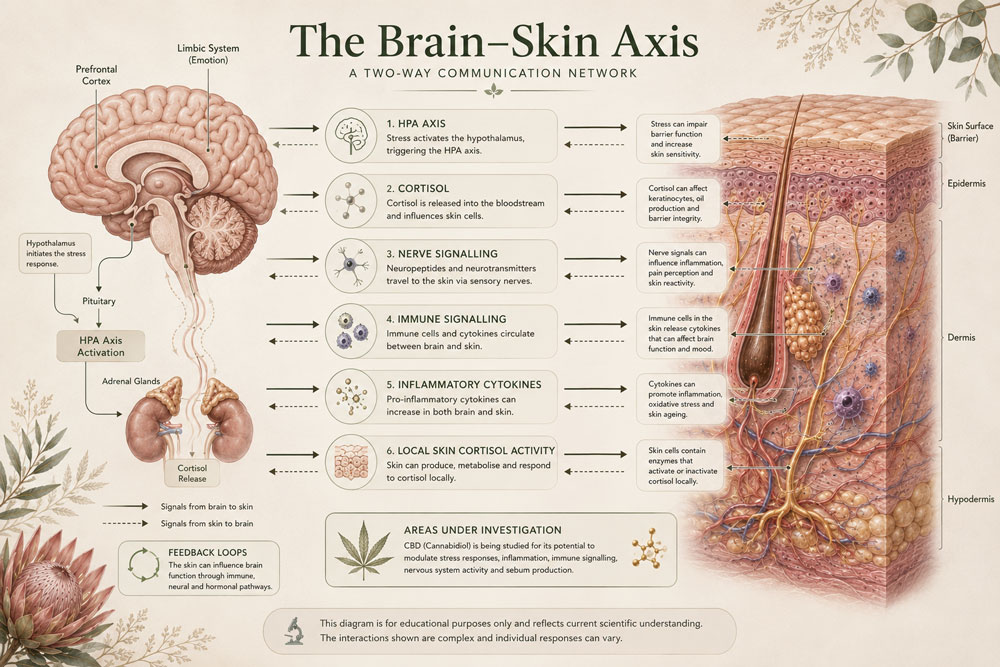
The researchers found that psychological stress increased this enzyme, raised cortisol levels in the stratum corneum and impaired skin barrier function. When stress was relieved pharmacologically, enzyme activity fell and barrier function improved.⁶
This provides evidence that psychological stress can produce measurable biological changes in the skin.
Stress may also influence skin conditions through other pathways, including changes in immune signalling, inflammatory cytokine release, mast-cell activity, scratching behaviour, sleep and adherence to skincare or treatment routines.
Acne, psoriasis and atopic dermatitis are among the conditions commonly reported to worsen during periods of stress, although the precise relationship differs between individuals and conditions.
5.2 Why CBD Is Being Investigated
CBD has demonstrated anti-inflammatory and antioxidant activity in skin models²,³ and anxiolytic activity in certain preclinical and human studies.⁵,⁷,⁸ This creates a biologically plausible reason to investigate whether it could influence more than one part of the stress–skin relationship.
In theory, a well-formulated topical product might act locally on inflammatory or oxidative processes in the skin, while an oral or pharmaceutical formulation might influence central pathways involved in anxiety and stress.
However, this remains a hypothesis assembled from converging lines of evidence.
No large clinical trial has yet established that combining topical and oral CBD reliably interrupts the brain–skin stress cycle or treats a stress-related skin condition “from the inside and outside”.
The integrated stress–skin argument is therefore scientifically interesting, but it should not be presented as a proven treatment strategy.
Key takeaways
The skin possesses its own functional endocannabinoid system.
CBD demonstrates anti-inflammatory, antioxidant and sebostatic activity in laboratory research.
Early human evidence suggests that CBD may influence anxiety in certain controlled settings.
Psychological stress can impair skin barrier function and aggravate inflammatory skin processes.
The combined “inside-and-outside” CBD hypothesis has not yet been confirmed in large clinical trials.
6. Safety, Regulation and the Limits of the Evidence
CBD is generally described as having a favourable tolerability profile in many of the studies reviewed here.⁵,⁸ This does not mean that it is free from risk or appropriate for everyone.
Several limitations deserve particular emphasis.
6.1 Acute Versus Chronic Use
The strongest human evidence for anxiety largely concerns acute or short-term use.⁵,⁷
Long-term dosing may involve different benefits, risks, patterns of tolerance, drug interactions or adherence challenges. More controlled research is needed before conclusions drawn from single-dose studies can be extended to routine long-term use.
6.2 Delivery and Dose
Topical product performance depends on whether a formulation can keep CBD stable and deliver it to the intended part of the skin.⁴,⁹
Oral CBD must pass through the digestive system and liver, and its absorption can vary according to the formulation, dose, food intake and individual physiology.
The doses used in anxiety research may also differ dramatically from the doses contained in ordinary consumer products. A carefully measured dose of purified CBD used in a clinical trial should not be treated as equivalent to an unverified commercial product.
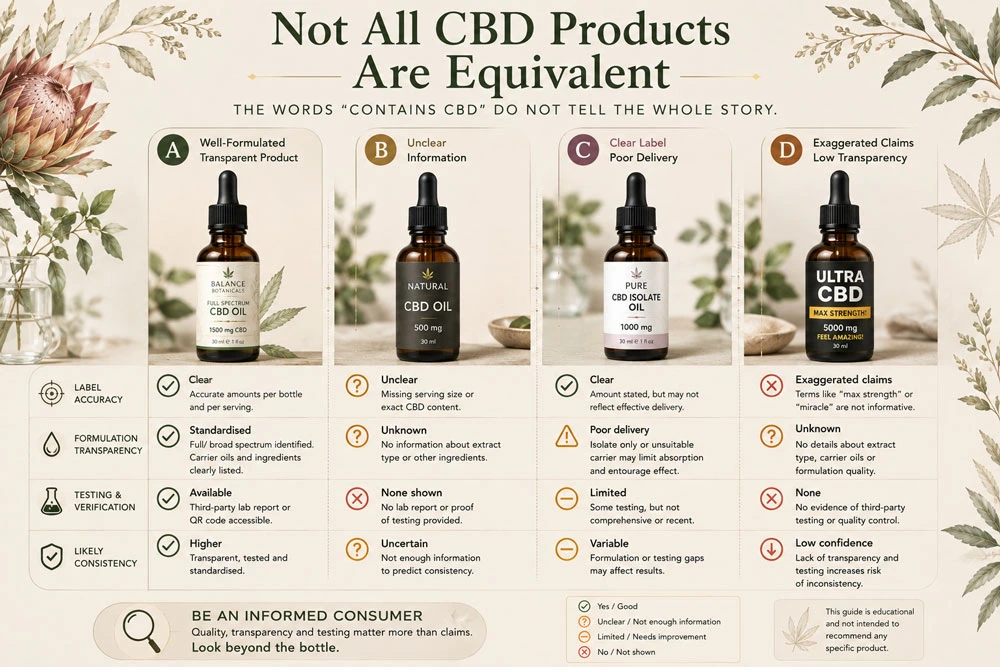
6.3 Commercial Products Are Not Interchangeable
Commercial CBD products can vary substantially in cannabinoid content, ingredient quality and formulation.
An analysis of CBD products sold online found that the measured cannabinoid content frequently differed from the amount stated on the product label.¹⁰ Although this study reflects a particular market and period, it illustrates why accurate labelling and independent quality testing matter.
Research findings obtained with a standardised, well-characterised CBD preparation cannot automatically be applied to every CBD oil, capsule, gummy, serum, balm or cream.
6.4 Drug Interactions and Individual Risk
CBD may affect enzymes involved in the metabolism of prescription medicines. This can alter the concentration or activity of other medicines in the body.
People taking medication, living with a medical condition, preparing for surgery, pregnant or breastfeeding should seek guidance from a suitably qualified healthcare professional before using CBD.
CBD should not be used as a substitute for prescribed psychiatric or dermatological care without clinical supervision.
6.5 Evidence Maturity
Across both dermatology and anxiety research, leading reviews continue to call for larger, well-controlled clinical trials.⁴,⁵,⁹
The mechanistic evidence is substantial. The confirmatory clinical evidence is still developing.
That distinction is central to responsible communication. Biological plausibility can justify further research, but it does not justify blanket therapeutic promises.
7. What This Means for Consumers
For readers trying to make sense of the growing number of CBD products available, the research offers several practical lessons.
7.1 Read the Label Carefully
A useful label should clearly state:
The amount of CBD in the entire product.
The amount of CBD per serving or application.
Whether the product contains CBD isolate, broad-spectrum extract or full-spectrum extract.
The presence of THC or other cannabinoids, where applicable.
The complete ingredient list.
Recommended use and relevant warnings.
Batch or lot information.
Access to recent independent laboratory testing, where available.
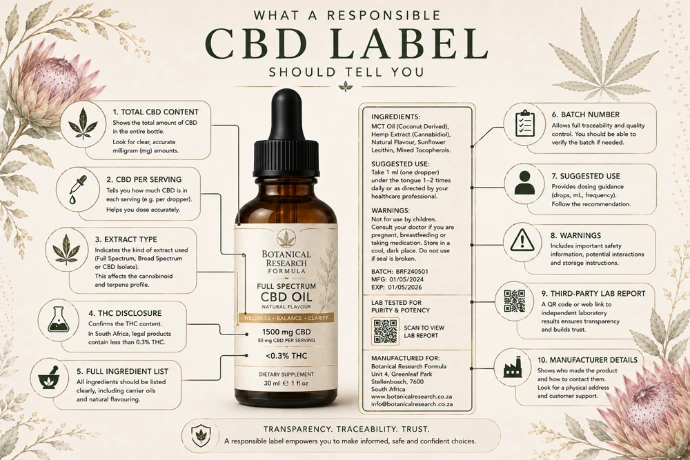
A large number on the front of a bottle may refer to the total CBD content of the entire container rather than the amount in each dose.
Consumers should also be cautious of labels promising to cure, treat or prevent a wide range of unrelated conditions. These claims often go further than the available evidence.
7.2 Understand the Difference Between Topical and Oral Products
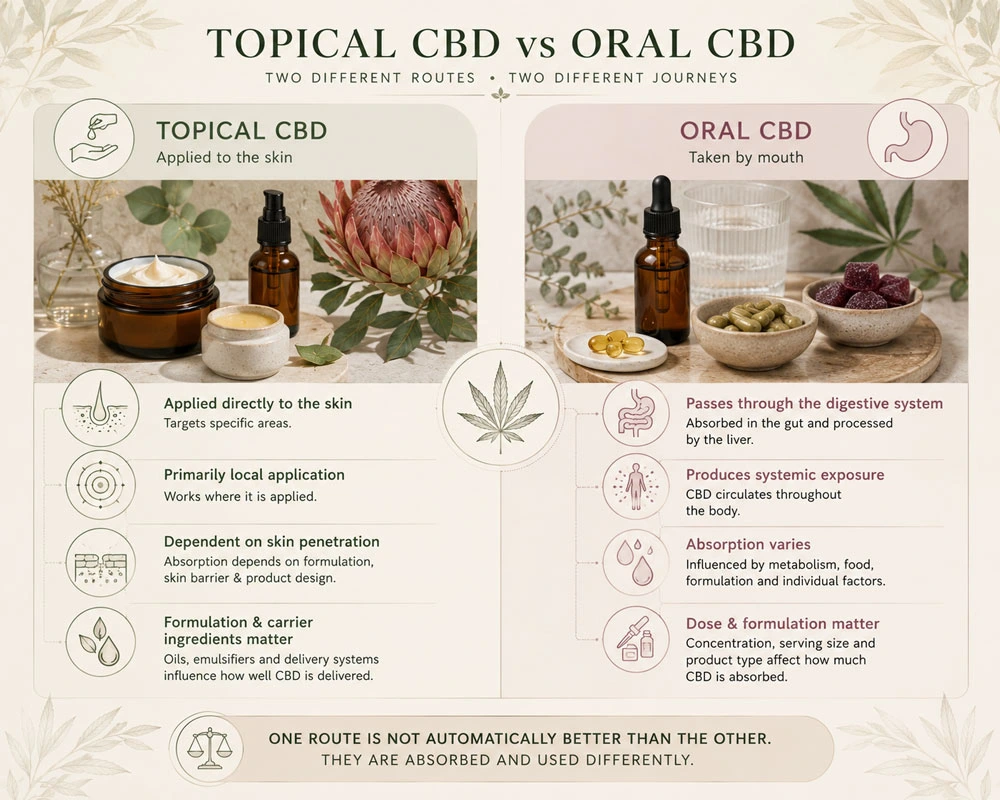
Topical and oral formulations are designed for different routes of use.
CBD topicals, including creams, serums, balms and lotions, are applied directly to the skin. Their performance depends on the concentration, carrier ingredients and ability of the formulation to deliver CBD to the intended area.
CBD oils, capsules and gummies are swallowed and must be absorbed through the digestive system. They produce systemic exposure rather than being targeted exclusively to one area of skin.
Neither route is automatically “better”. Their intended uses, patterns of absorption, onset and duration differ. Evidence obtained with one route should not automatically be applied to another.
7.3 Formulation Quality Matters
The presence of CBD on an ingredient list does not tell consumers how stable, bioavailable or well delivered that CBD will be.
For topical products, carrier oils, emulsifiers, additional active ingredients, packaging and exposure to heat or light may affect stability and performance.
For oral products, the delivery system can influence absorption. Oils, capsules, water-dispersible products and edible formats may not behave identically in the body.
This is why concentration alone should not be used as the only indicator of quality.
7.4 Keep Expectations Realistic
The strongest scientific support relates to CBD’s biological anti-inflammatory and antioxidant activity and its potential anxiolytic effects under certain conditions.
Most dermatological evidence remains preclinical or early clinical. Anxiety research includes controlled human findings, but many studies involve acute doses that differ substantially from those in general wellness products.
CBD is therefore better understood as an area of active scientific investigation than as a universally proven solution for either skin or stress.
7.5 Seek Professional Advice When Appropriate
Persistent acne, eczema, psoriasis, dermatitis, wounds, severe anxiety, sleep disruption or changes in mental health deserve appropriate medical assessment.
CBD may form part of an individual’s broader wellness or care approach, but it should not delay diagnosis or replace evidence-based treatment.
8. Frequently Asked Questions

Does CBD reduce skin inflammation?
Laboratory research shows that CBD can influence several inflammatory pathways in skin cells.²,³ Early reviews suggest potential applications in inflammatory skin conditions, but large, controlled human trials remain limited.⁴,⁹
Can CBD help with acne?
CBD has demonstrated sebostatic, antiproliferative and anti-inflammatory effects in human sebocyte and skin models.² These findings provide a credible research basis, but they do not yet prove that all topical CBD products effectively treat acne in people.
Can psychological stress affect the skin?
Yes. Psychological stress can influence cortisol activity, immune signalling and skin barrier function. Research has shown measurable stress-related changes in local cortisol metabolism and barrier function within the skin.⁶
Does CBD help with anxiety?
Early controlled and observational evidence suggests that CBD may reduce anxiety in certain situations.⁵,⁷,⁸ However, many studies are small, use a single dose or involve carefully controlled clinical preparations.
Is topical CBD better than oral CBD for skin concerns?
Topical and oral CBD work through different routes. Topical products are applied locally, while oral products produce broader systemic exposure. There is not enough evidence to conclude that one route is universally better for skin concerns.
How much CBD was used in anxiety studies?
One frequently cited public-speaking study used a single 600 mg dose of purified CBD.⁷ This is considerably higher than the amount contained in many consumer wellness servings and should not be interpreted as a self-dosing recommendation.
Why does the formulation of a CBD product matter?
CBD is lipophilic and can be difficult to deliver effectively through the skin.⁴,⁹ Oral absorption can also vary. The concentration, carrier system, product stability and delivery technology may all influence how much CBD reaches its intended target.
Are all CBD products accurately labelled?
Not necessarily. Product-testing research has identified discrepancies between labelled and measured cannabinoid content in commercially available CBD products.¹⁰ Consumers should look for transparent labelling and credible independent laboratory testing where available.
Can CBD interact with medication?
Yes. CBD may affect enzymes involved in metabolising certain medicines. Anyone taking prescription medication should consult a qualified healthcare professional before using CBD.
Is CBD a proven treatment for stress-related skin conditions?
No. The stress–skin relationship is biologically established, and CBD affects several pathways relevant to both stress and skin inflammation. However, the combined use of CBD as an integrated treatment for stress-related skin conditions has not been confirmed in large clinical trials.
9. Conclusion
The scientific rationale for investigating CBD in skin health and stress regulation is coherent and biologically grounded.
The skin contains its own endocannabinoid system, which helps regulate inflammation, oil production, immune activity and cell behaviour.¹ CBD has demonstrated sebostatic, antiproliferative, anti-inflammatory and antioxidant effects in laboratory and preclinical research.²,³
In the nervous system, CBD interacts with serotonergic, endocannabinoid and other signalling pathways associated with anxiety and stress.⁵ Controlled and observational human studies offer encouraging early evidence, particularly in relation to acute anxiety responses.⁷,⁸
The two research areas intersect through the brain–skin axis. Psychological stress can alter cortisol activity, impair skin barrier function and contribute to inflammatory processes.⁶ It is therefore scientifically reasonable to investigate whether CBD could influence more than one part of this relationship.
What the current evidence does not support is the confident, universal promise often found in consumer marketing.
Clinical research remains comparatively limited, particularly for chronic dosing, topical delivery, ordinary commercial formulations and the integrated stress–skin hypothesis. Product quality, cannabinoid content, dose and formulation can vary considerably.
CBD is best understood as a genuinely promising and pharmacologically active compound whose full clinical value is still being established.
For consumers, this supports an approach of informed optimism rather than unquestioning enthusiasm: the biology is credible, the early findings are encouraging, formulation quality matters, and definitive clinical answers are still being developed.

Related Consumer Resources
Readers interested in understanding the differences between the CBD formats discussed in this article may wish to explore the following Cannamart categories:
These categories provide practical examples of the different oral and topical formats available. Their inclusion should not be interpreted as evidence that every product will reproduce the outcomes reported in clinical or laboratory research.
Explore related CBD product categories on Cannamart to better understand the different formats discussed in this article.References
Bíró T, Tóth BI, Haskó G, Paus R, Pacher P. The endocannabinoid system of the skin in health and disease: novel perspectives and therapeutic opportunities. Trends Pharmacol Sci. 2009;30(8):411–420. doi:10.1016/j.tips.2009.05.004
Oláh A, Tóth BI, Borbíró I, Sugawara K, Szöllősi AG, Czifra G, et al. Cannabidiol exerts sebostatic and anti-inflammatory effects on human sebocytes. J Clin Invest. 2014;124(9):3713–3724. doi:10.1172/JCI64628
Atalay S, Jarocka-Karpowicz I, Skrzydlewska E. Antioxidative and anti-inflammatory properties of cannabidiol. Antioxidants. 2019;9(1):21. doi:10.3390/antiox9010021
Redmond WJ, Finn DP. The therapeutic potential of cannabidiol in skin conditions. J Cosmet Dermatol. 2025;24(11):e70527. doi:10.1111/jocd.70527
Blessing EM, Steenkamp MM, Manzanares J, Marmar CR. Cannabidiol as a potential treatment for anxiety disorders. Neurotherapeutics. 2015;12(4):825–836. doi:10.1007/s13311-015-0387-1
Choe SJ, Kim D, Kim EJ, Ahn JS, Choi EJ, Son ED, et al. Psychological stress deteriorates skin barrier function by activating 11β-hydroxysteroid dehydrogenase 1 and the HPA axis. Sci Rep. 2018;8:6334. doi:10.1038/s41598-018-24653-z
Bergamaschi MM, Queiroz RHC, Chagas MHN, de Oliveira DCG, De Martinis BS, Kapczinski F, et al. Cannabidiol reduces the anxiety induced by simulated public speaking in treatment-naïve social phobia patients. Neuropsychopharmacology. 2011;36(6):1219–1226. doi:10.1038/npp.2011.6
Shannon S, Lewis N, Lee H, Hughes S. Cannabidiol in anxiety and sleep: a large case series. Perm J. 2019;23:18-041. doi:10.7812/TPP/18-041
Baswan SM, Klosner AE, Weir C, Salter-Venzon D, Gellenbeck KW, Leverett J, et al. The potential role of cannabidiol in cosmetic dermatology: a literature review. Am J Clin Dermatol. 2024. doi:10.1007/s40257-024-00891-y
Bonn-Miller MO, Loflin MJE, Thomas BF, Marcu JP, Hyke T, Vandrey R. Labeling accuracy of cannabidiol extracts sold online. JAMA. 2017;318(17):1708–1709. doi:10.1001/jama.2017.11909
Disclaimer: This blog supports responsible cannabis use. The information contained in this article is for educational and informational purposes only and is not intended as health or medical advice. Always consult a physician or other qualified health provider regarding any questions you may have about a medical condition or health objectives.