April 13th marks International Plant Appreciation Day. A moment to pause and recognise something we often overlook: plants are not just part of our environment… they are the foundation of it.
From the air we breathe to the systems that regulate our bodies, plants quietly sustain life in ways both visible and invisible.
The Invisible Work of Plants
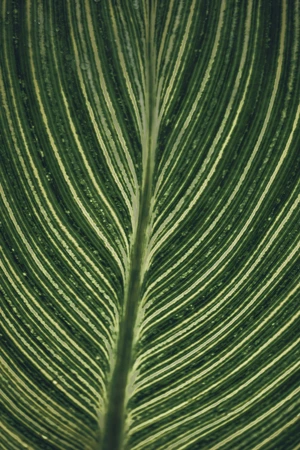
At the most fundamental level, plants are responsible for the oxygen we depend on. Through photosynthesis, they convert carbon dioxide into oxygen, maintaining the balance that allows human life to exist.
But their role goes far beyond this.
Plants regulate climate patterns, support soil health, and form the base of every food chain. They absorb carbon dioxide, stabilise ecosystems, and protect biodiversity. Without them, ecosystems collapse, and with them, human health follows.
This is why Plant Appreciation Day isn’t just symbolic. It’s a reminder of interdependence.
Plants as Food: The Original Source of Nourishment
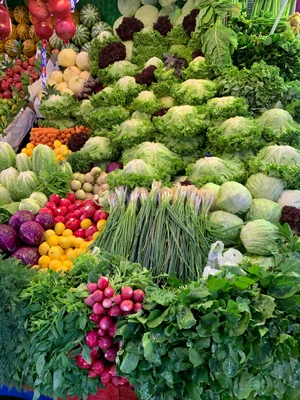
Everything we eat begins with plants. Fruits, vegetables, grains, nuts, and seeds are direct sources of nutrition, but even animal-based foods rely on plant systems. Livestock depend on plant feed, meaning plants underpin the entire global food chain.
Plants provide essential nutrients such as vitamins, minerals, fibre, and antioxidants, compounds that support immunity, digestion, and long-term health.
Today, plant-based nutrition is not only a traditional foundation but also a rapidly growing global movement. As people seek more sustainable, health-conscious lifestyles, plants are returning to the centre of how we nourish ourselves.
Plants as Materials: Building the World Around Us
Beyond food, plants have always been used to build and create. Wood remains one of the most widely used construction materials globally, renewable, durable, and increasingly valued in sustainable architecture. Bamboo, in particular, is gaining recognition as a fast-growing, high-strength alternative for building and design.
Plants also form the basis of many everyday materials: paper, natural rubber, and biodegradable packaging all originate from plant sources. As industries shift towards sustainability, plant-based materials are once again becoming central, not because they are new, but because they are timeless.
Plants as Fabric: A Return to Natural Textiles
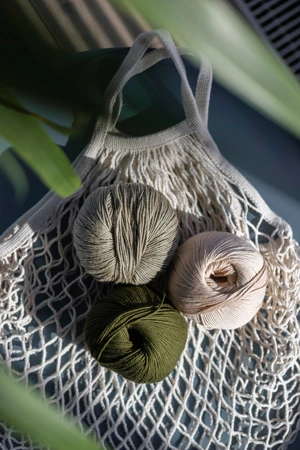
The clothing we wear is also deeply connected to plants. Cotton, linen (from flax), hemp, and other natural fibres have been used for thousands of years. Today, these materials are experiencing renewed interest as the fashion industry moves toward more sustainable practices.
Hemp, in particular, including fibres from the cannabis plant, offers durability, breathability, and a significantly lower environmental impact compared to synthetic fabrics. What was once standard is now being rediscovered as essential.
Plants as Medicine: A Deeply Rooted System of Healing

Long before modern pharmaceuticals, humans turned to plants and fungi for healing. Across cultures and centuries, herbs, roots, and mushrooms have been used to support the body in restoring balance. Today, science continues to validate many of these traditional practices.
Herbal medicine includes plants like chamomile for calming, peppermint for digestion, turmeric for inflammation, and ashwagandha for stress regulation. These plants contain bioactive compounds, such as flavonoids, polyphenols, and alkaloids, that interact with the body in measurable ways.
Functional mushrooms, while not plants in a strict biological sense, play an equally important role in natural medicine. Varieties like reishi, lion’s mane, and cordyceps are increasingly studied for their potential to support immunity, cognitive function, and energy balance.
Within this broader system, the cannabis plant holds a unique and specialised role.
Cannabis produces cannabinoids such as CBD and THC, which interact with the body’s endocannabinoid system. A regulatory network involved in maintaining balance across mood, sleep, pain, and immune response. This makes cannabis particularly relevant in modern discussions around nervous system support and chronic stress.
What becomes clear is that plant and fungi-based medicine is not about a single solution; it is about a diverse, interconnected system of support.
The Nervous System Connection
There’s another layer to plant appreciation that often goes unnoticed: our nervous system responds to nature. Spending time around plants, whether in a garden, a park, or even indoors, has been shown to reduce stress, lower cortisol levels, and promote a sense of calm.
In a world of constant stimulation, plants offer something rare: regulation. They slow us down. They ground us. They reconnect us to rhythm.
A Simple Way to Reconnect

You don’t need a forest to benefit from plants. Plant Appreciation Day can be as simple as:
- Sitting outside and noticing your environment
- Caring for a houseplant
- Planting something small
- Learning about a plant’s role in food, materials, or medicine
These are not just activities. They are small acts of reconnection.
A Thought to Leave You With
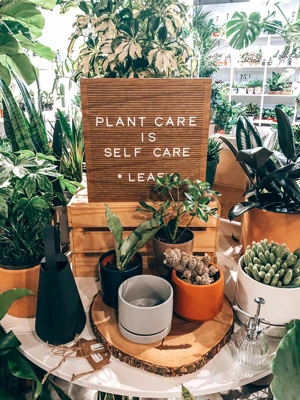
We often think of plants as something “out there”, separate from us. But the truth is simpler: they sustain us, feed us, clothe us, build our world, and in many ways, heal us. From the oxygen we breathe to the fabrics we wear and the systems that regulate our bodies, our relationship with plants is continuous and essential. Appreciating plants isn’t about doing more. It’s about remembering what has always supported us.
Disclaimer: This blog supports responsible cannabis use. The information contained in this article is for educational and informational purposes only and is not intended as health or medical advice. Always consult a physician or other qualified health provider regarding any questions you may have about a medical condition or health objectives.