Many people use the words panic and anxiety interchangeably, but the nervous system experiences them differently. Understanding these differences can help people feel less afraid of what their body is doing and more empowered to support themselves gently and safely.
In today’s fast-moving world, nervous system overload has become increasingly common. Long work hours, constant digital stimulation, financial pressure, emotional stress, poor sleep, and unresolved trauma can all contribute to feelings of overwhelm. Sometimes the body whispers that it needs support. Other times, it screams. Understanding the language of the nervous system is often the first step toward healing.
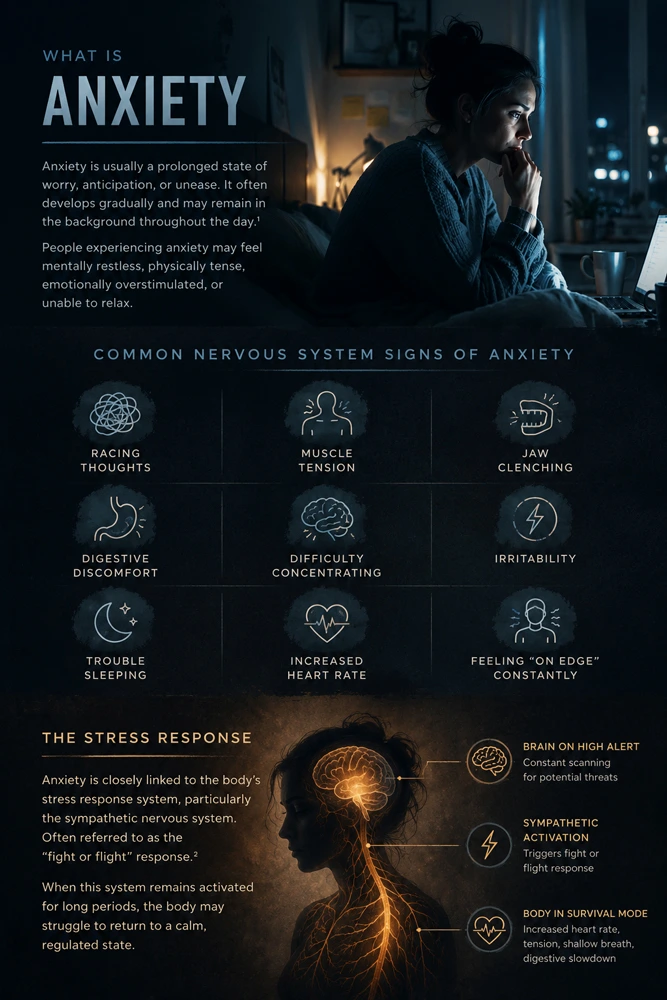
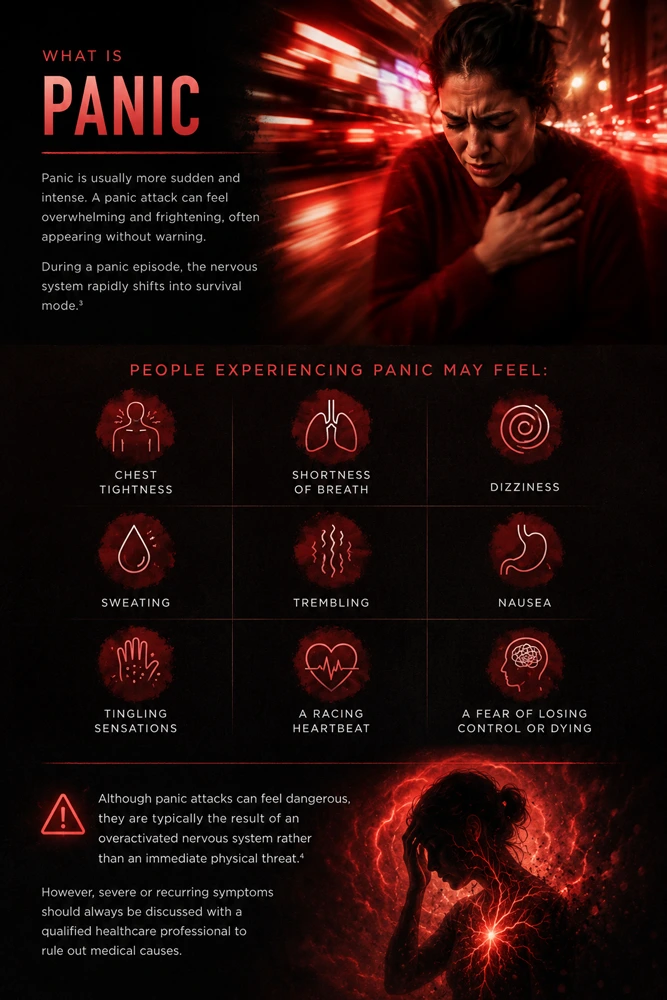
Why the Nervous System Matters
The nervous system constantly scans the environment for safety or danger. When stress becomes chronic, the body may remain stuck in protective states for long periods.⁵ This can make even small stressors feel overwhelming.
Importantly, nervous system dysregulation is not weakness. It is often the body attempting to protect itself after prolonged stress, overstimulation, burnout, or emotional exhaustion.
Learning to support the nervous system gently, rather than fighting against it, can make a meaningful difference.
Supportive Tools for Nervous System Regulation
There is no universal solution for anxiety or panic, but certain supportive wellness practices may help regulate the nervous system over time.
Breathwork and Slow Exhalation

Slow breathing techniques may help activate the parasympathetic nervous system, sometimes called the “rest and digest” state.⁶ Gentle breathing exercises can help communicate safety to the body during moments of overwhelm.
Sleep and Recovery

Poor sleep can significantly increase anxiety sensitivity and nervous system reactivity. Prioritising consistent sleep habits, reducing late-night screen exposure, and creating calming evening routines may help support emotional resilience.
Movement and Grounding

Gentle movement, such as walking, stretching, yoga, or swimming, may help discharge accumulated stress hormones from the body. Grounding practices, like spending time in nature or focusing on physical sensations, can also help bring awareness back into the present moment.
Nutritional and Herbal Support

Certain individuals explore magnesium, adaptogenic herbs, functional mushrooms, or calming herbal teas as part of a broader wellness approach. While research in this area continues to develop, these tools should be approached carefully and discussed with healthcare professionals when appropriate.
Cannabis and Nervous System Support
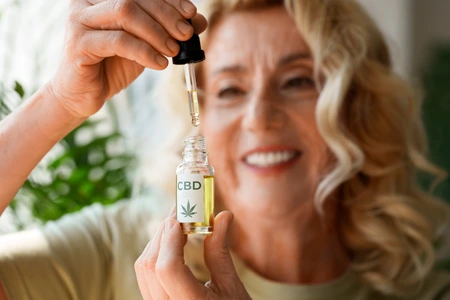
Some adults explore cannabis products for relaxation, sleep support, or stress management. However, cannabis affects everyone differently. Lower doses may feel calming for some individuals, while high-THC products may worsen anxiety or trigger panic in others.⁷ Education, responsible use, dosage awareness, and product quality are extremely important.
For individuals curious about cannabis, starting with education-first guidance and speaking to knowledgeable professionals can help reduce unnecessary risks.
Final Thoughts
Panic and anxiety are not simply “overthinking.” They are nervous system experiences that deserve compassion, understanding, and support. Sometimes the goal is not to eliminate stress, but to help the body feel safe enough to recover, regulate, and breathe again. Healing often begins when people stop judging their nervous system and start listening to it instead.
Feeling Overwhelmed? You Don’t Have to Navigate It Alone. Your nervous system deserves support, understanding, and safe guidance. If you’ve been experiencing anxiety, panic, overwhelm, sleep struggles, or constant stress, our consultation process is designed to help you explore supportive wellness options in a calm, education-first environment. Whether you’re simply curious or looking for personalised guidance, we’re here to help you make informed decisions. Without pressure, confusion, or judgement.
What You’ll Receive:
- Personalised wellness guidance
- Education-first product recommendations
- Safe, responsible support
- A confidential and supportive experience
- Help understanding possible wellness pathways
Disclaimer: This blog supports responsible cannabis use. The information contained in this article is for educational and informational purposes only and is not intended as health or medical advice. Always consult a physician or other qualified health provider regarding any questions you may have about a medical condition or health objectives.
References
¹ American Psychiatric Association. What Are Anxiety Disorders? Available at: https://www.psychiatry.org
² Chrousos GP. Stress and disorders of the stress system. Nature Reviews Endocrinology. 2009;5(7):374–381.
³ Craske MG, Stein MB. Anxiety. The Lancet. 2016;388(10063):3048–3059.
⁴ Meuret AE, Rosenfield D, Hofmann SG, et al. Changes in respiration mediate changes in fear of bodily sensations in panic disorder. Journal of Psychiatric Research. 2009;43(6):634–641.
⁵ Porges SW. The polyvagal perspective. Biological Psychology. 2007;74(2):116–143.
⁶ Jerath R, Edry JW, Barnes VA, Jerath V. Physiology of long pranayamic breathing. Medical Hypotheses. 2006;67(3):566–571.
⁷ Turna J, Patterson B, Van Ameringen M. Is cannabis treatment for anxiety, mood, and related disorders ready for prime time? Depression and Anxiety. 2017;34(11):1006–1017.