Inflammation is one of the body's most important defence mechanisms. It helps protect us from infection, injury and harmful stimuli by activating the immune system. However, when inflammation becomes chronic, it can contribute to a wide range of conditions, including arthritis, inflammatory bowel disease, cardiovascular disease, diabetes and neurodegenerative disorders.¹
Cannabis is often promoted as a natural anti-inflammatory therapy, but does the scientific evidence support these claims?
The answer is more nuanced than many headlines suggest.
Understanding Inflammation
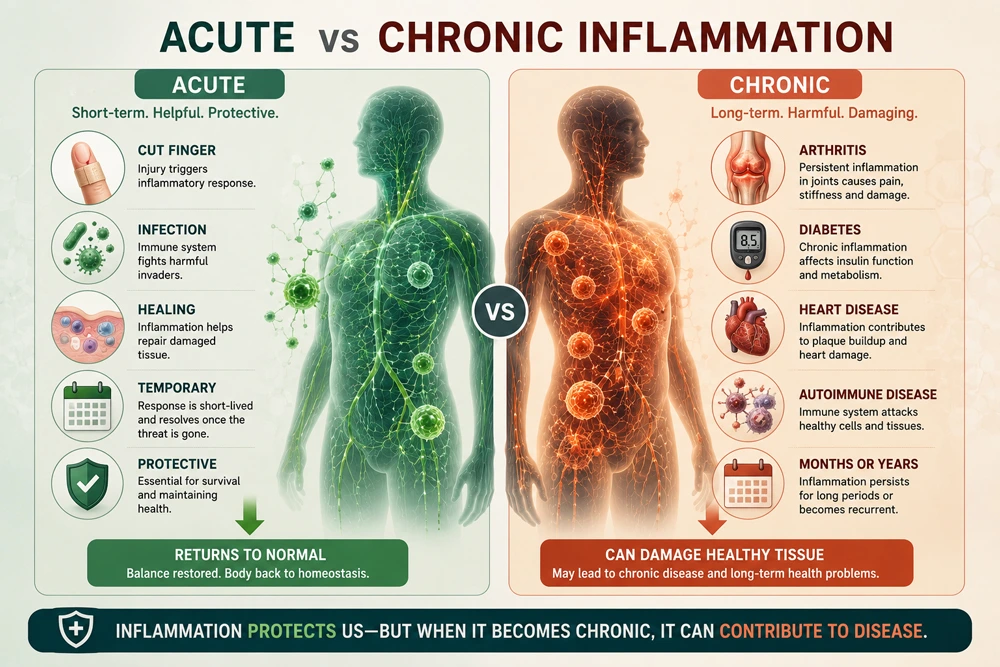
There are two main types of inflammation.
Acute inflammation is a short-term response to injury or infection. It is characterised by redness, heat, swelling and pain and usually resolves once healing occurs.
Chronic inflammation, on the other hand, is a long-lasting, low-grade immune response that may persist for months or years. Chronic inflammation has been associated with numerous diseases and is an active area of medical research.¹
Inflammation itself is not inherently harmful. In fact, acute inflammation is an essential part of normal healing, helping the body eliminate harmful microbes, repair damaged tissue and restore health. Problems arise when inflammation becomes excessive, persists for long periods or occurs inappropriately, contributing to chronic disease. For this reason, the goal is not always to suppress inflammation completely, but rather to support healthy immune regulation.¹
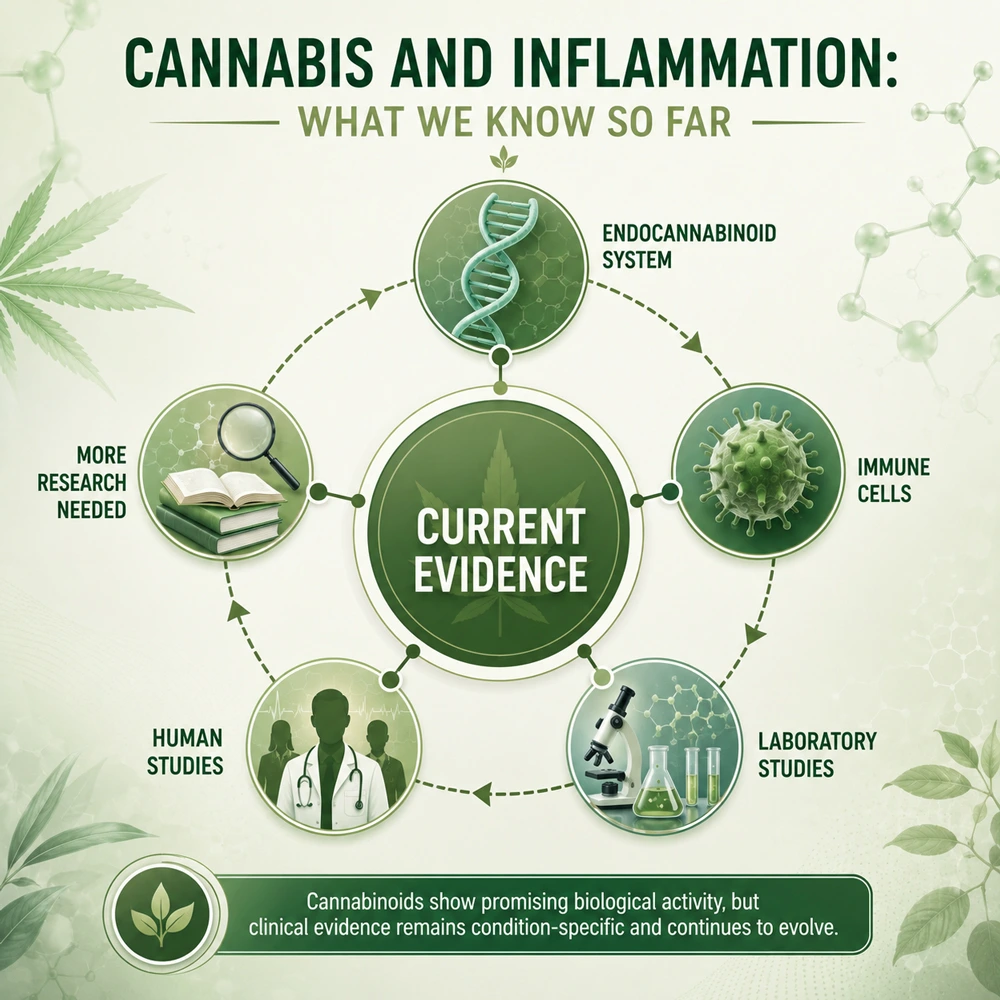
Researchers have become increasingly interested in whether the body's endocannabinoid system (ECS) helps regulate inflammatory responses.
The Endocannabinoid System and Immune Regulation
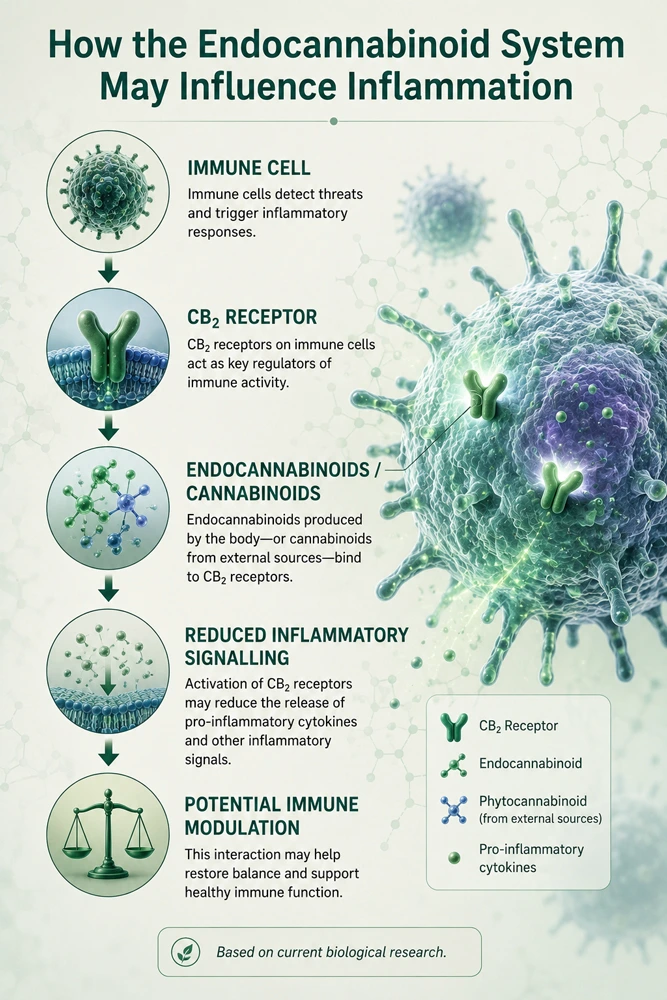
The ECS is a complex signalling network involved in maintaining homeostasis throughout the body. It includes naturally occurring endocannabinoids, cannabinoid receptors and enzymes responsible for producing and breaking down these signalling molecules.²
While CB₁ receptors are found predominantly in the brain and nervous system, CB₂ receptors are highly expressed on many immune cells, making them particularly relevant to inflammation.³
Laboratory studies suggest that activation of CB₂ receptors may influence immune cell activity and the production of inflammatory signalling molecules known as cytokines (immune signalling proteins that help coordinate inflammatory responses).³ However, these biological mechanisms do not necessarily translate into proven clinical benefits for every inflammatory disease.
What Laboratory Research Shows
Preclinical studies consistently demonstrate that cannabinoids can influence inflammatory pathways.
Both cannabidiol (CBD) and delta-9-tetrahydrocannabinol (THC) have been shown in cell and animal studies to:
- reduce the production of certain pro-inflammatory cytokines
- influence immune cell migration
- affect oxidative stress pathways
- interact with multiple inflammatory signalling systems beyond cannabinoid receptors
- help regulate inflammatory signalling through multiple molecular targets.⁴⁻⁶
CBD, in particular, has a complex pharmacology. Rather than acting strongly at CB₁ or CB₂ receptors, it interacts with numerous molecular targets, including TRPV1 receptors, PPAR-γ and adenosine signalling pathways that may influence inflammatory processes.⁴
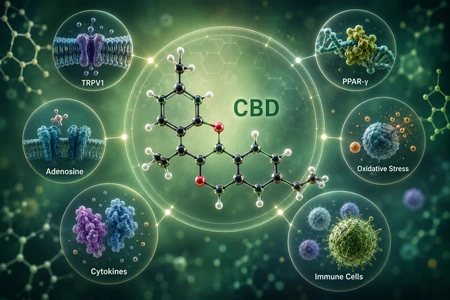
These findings provide important biological plausibility, but laboratory evidence alone cannot determine whether cannabis is an effective anti-inflammatory treatment in humans.
What Human Clinical Studies Say

Human evidence is considerably more mixed.
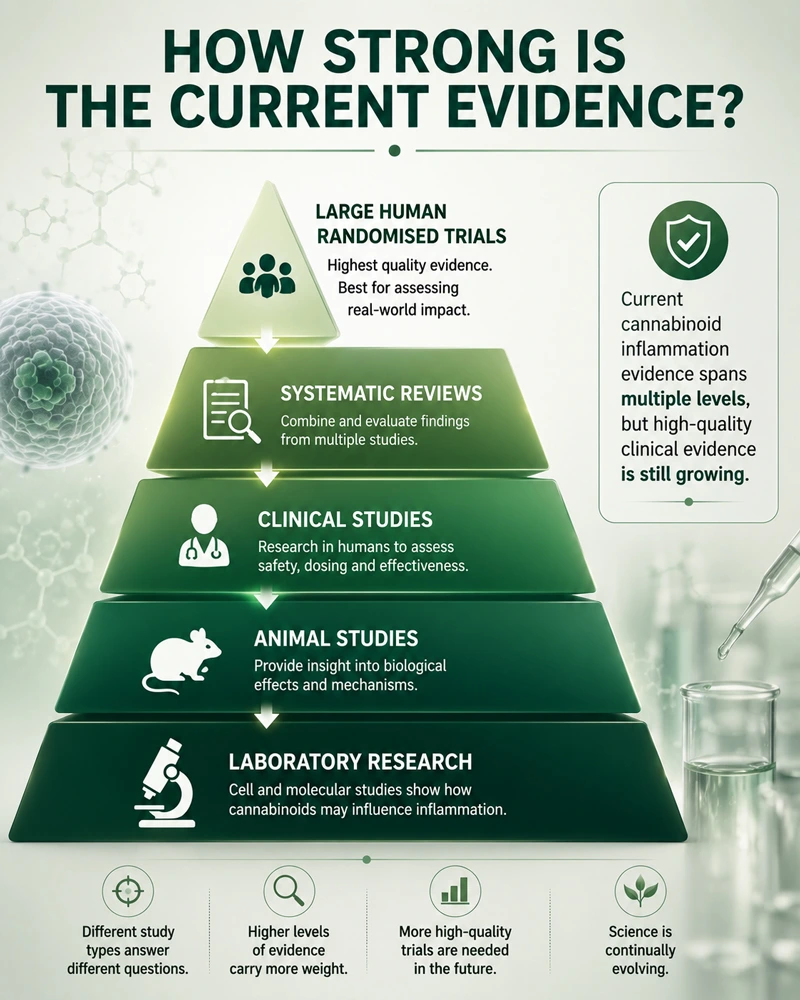
Although laboratory findings are encouraging, systematic reviews have concluded that clinical evidence remains heterogeneous, with study outcomes differing according to the disease being investigated, the cannabinoid used, dosage, treatment duration and study quality. While some inflammatory conditions show promising results, others have demonstrated little or no measurable reduction in disease activity.⁷
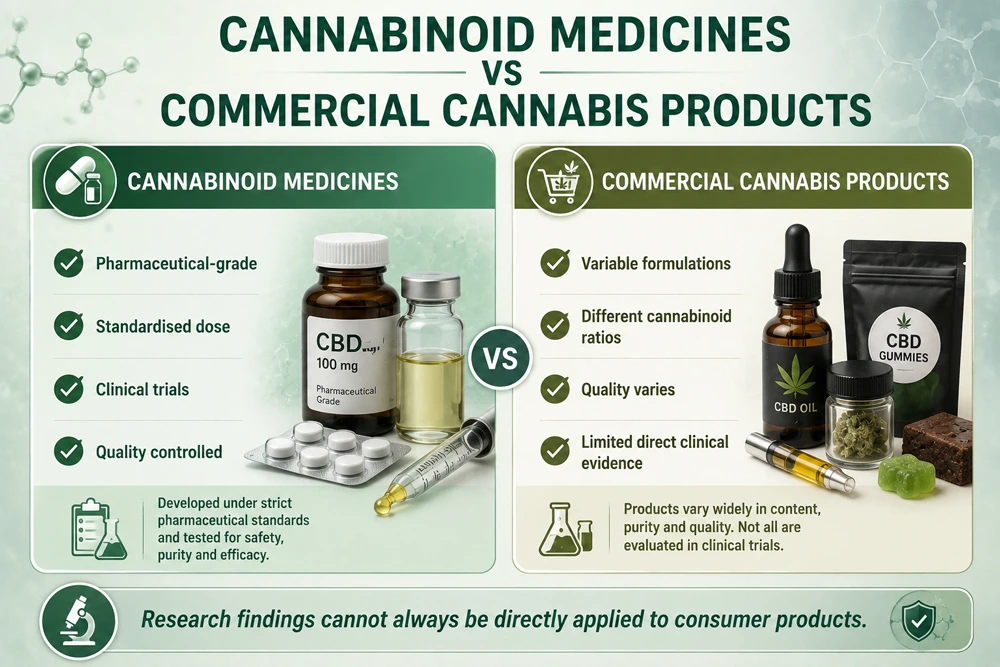
It is also important to distinguish between cannabinoid-based medicines used in clinical research and commercially available cannabis products. Many clinical trials investigate pharmaceutical-grade cannabinoid preparations manufactured to strict standards, whereas products sold commercially may differ substantially in cannabinoid content, formulation, purity and dosing. This makes it difficult to directly compare research findings with products available to consumers.
Similarly, the National Academies of Sciences, Engineering, and Medicine found that evidence supporting cannabis for chronic pain is stronger than evidence supporting cannabis as a direct anti-inflammatory therapy.⁸
Some patients with inflammatory diseases such as rheumatoid arthritis, multiple sclerosis and inflammatory bowel disease report improvements in pain, sleep and quality of life while using cannabinoid-based medicines. However, objective reductions in inflammatory disease activity have been less consistent across clinical trials.⁷⁻⁹
In other words, cannabinoids may sometimes help people feel better even when measurable markers of inflammation change very little.
Why Results Differ Between Conditions
Inflammation is not a single biological process.
The immune pathways driving rheumatoid arthritis differ from those involved in Crohn's disease, psoriasis or neuroinflammation.
In addition, cannabis contains more than 100 cannabinoids together with terpenes and flavonoids, while products vary considerably in cannabinoid composition, dose, route of administration and quality. These differences make clinical research challenging and may partly explain why studies often reach different conclusions.⁶
Individual responses also vary due to genetics, underlying health conditions and concurrent medications.
What Can We Say with Confidence?
Current scientific evidence supports several balanced conclusions. Cannabinoids clearly interact with biological pathways involved in inflammation. Laboratory and animal research consistently demonstrates anti-inflammatory effects.
Human studies suggest potential benefits for some inflammatory conditions, particularly when inflammation contributes to pain or reduced quality of life.
However, there is currently insufficient evidence to conclude that cannabis reliably reduces inflammation across all diseases or should replace established anti-inflammatory treatments.⁷⁻⁹
Larger, well-designed clinical trials are still needed to determine which cannabinoids, doses and formulations may be most effective for specific inflammatory conditions.
A Word of Caution
Although cannabinoid-based therapies are being actively researched, they should not be viewed as a replacement for prescribed anti-inflammatory medications. Anyone considering cannabis or cannabinoid products should discuss them with a qualified healthcare professional, particularly if they have an autoimmune disease, chronic inflammatory condition or are taking prescription medicines. Patients should not discontinue prescribed anti-inflammatory treatments without medical advice.
Key Takeaways
What does the science currently tell us?
- Inflammation is a normal and essential part of healing, but chronic inflammation can contribute to disease.
- The endocannabinoid system helps regulate immune function and inflammatory responses.
- Laboratory studies consistently show cannabinoids can influence inflammatory pathways.
- Human clinical studies are promising but remain mixed and vary depending on the condition being treated.
- Cannabinoid-based medicines studied in clinical trials are not always comparable to commercially available cannabis or CBD products.
- More high-quality clinical research is needed before cannabis can be considered a proven anti-inflammatory treatment across inflammatory diseases.

The Bottom Line
Science does not support the simple claim that cannabis "reduces inflammation" in every situation.
Instead, the evidence suggests that cannabinoids interact with complex immune pathways and may help regulate inflammation under certain circumstances. While laboratory research is highly encouraging, clinical evidence in humans remains condition-specific and continues to evolve.
As our understanding of the endocannabinoid system grows, cannabis-based medicines may become an increasingly important part of personalised approaches to inflammatory diseases. For now, the most evidence-based position is one of cautious optimism: promising biology, encouraging early clinical findings and an urgent need for further high-quality research.
Related Consumer Resources
If you're learning about cannabinoids discussed in this article, you may also wish to explore consumer information on CBD oils, CBD capsules, balanced THC:CBD products, and other cannabinoid product formats available through Cannamart.
References
- Medzhitov R. Origin and physiological roles of inflammation. Nature. 2008.
- Lu HC, Mackie K. An introduction to the endogenous cannabinoid system. Biol Psychiatry. 2016.
- Turcotte C, Blanchet MR, Laviolette M, Flamand N. The CB₂ receptor and its role as a regulator of inflammation. Cell Mol Life Sci. 2016.
- Atalay S, Jarocka-Karpowicz I, Skrzydlewska E. Antioxidative and anti-inflammatory properties of cannabidiol. Antioxidants. 2020.
- Nagarkatti P, Pandey R, Rieder SA, Hegde VL, Nagarkatti M. Cannabinoids as novel anti-inflammatory drugs. Future Med Chem. 2009.
- Pertwee RG. The diverse CB₁ and CB₂ receptor pharmacology of cannabinoids. Br J Pharmacol. 2008.
- Nichols JM, Kaplan BLF. Immune responses regulated by cannabidiol. Front Pharmacol. 2020.
- National Academies of Sciences, Engineering, and Medicine. The Health Effects of Cannabis and Cannabinoids. Washington, DC: National Academies Press; 2017.
- Häuser W, Fitzcharles MA, Radbruch L, Petzke F. Cannabinoids in chronic pain management. Lancet. 2018.
Disclaimer: This blog supports responsible cannabis use. The information contained in this article is for educational and informational purposes only and is not intended as health or medical advice. Always consult a physician or other qualified health provider regarding any questions you may have about a medical condition or health objectives.