CBD is often spoken about as a solution for anxiety and stress. But the real question most people have is much simpler:
How do you actually use it in daily life?
Not theoretically. Not clinically. Practically. Because calm isn’t something you switch on. It’s something you support consistently.
What CBD Actually Does (and Doesn’t Do)
CBD (cannabidiol) interacts with the body’s endocannabinoid system, which plays a role in regulating mood, stress response, and nervous system balance¹. It doesn’t sedate you. It doesn’t “knock you out.” Instead, it may help:
- reduce baseline anxiety
- support emotional regulation
- improve stress recovery over time²
Think of it less as a quick fix and more as nervous system support.
Timing: When Should You Take CBD?
Timing depends on why you’re using it. CBD is subtle; consistency matters more than perfect timing.
1. Daily baseline support
- Take CBD once or twice daily (morning + evening)
- Helps stabilise overall stress levels

2. Situational stress (meetings, travel, social events)
- Take 30–60 minutes before the event
- Allows time for absorption and effect

3. Sleep support
- Take 1–2 hours before bed
- Helps the body shift out of a heightened state
CBD is subtle; consistency matters more than perfect timing.
Format: Choosing What Works for Your Life
Different formats change how quickly CBD works and how long it lasts.
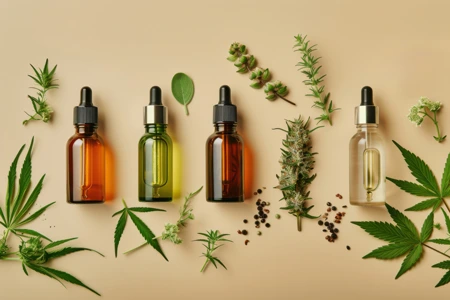
Oils / Tinctures (Most versatile)
- Taken under the tongue
- Effects felt within 20–45 minutes
- Easy to adjust dosage
Best for: daily use + flexibility
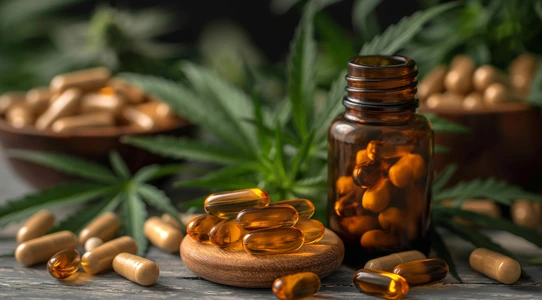
Capsules / Softgels
- Slower onset (45–90 minutes)
- Longer-lasting effects
Best for: routine, convenience

Edibles (e.g. gummies)
- Similar to capsules, but often lower precision
Best for: beginners or lifestyle use
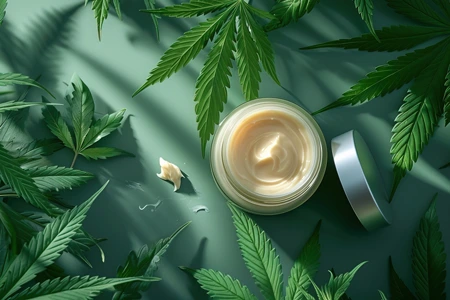
Topicals
- Applied to skin
- Localised effects only
Not ideal for anxiety or systemic calm
What Most People Get Wrong
CBD doesn’t usually create an obvious “feeling.” And that’s where people get confused. Instead of asking: “Do I feel something?” A better question is:
- Am I reacting less intensely?
- Am I recovering from stress faster?
- Do I feel slightly steadier?
The shift is often subtle, but meaningful³.
Closing Thought
Calm isn’t about eliminating stress. It’s about increasing your capacity to move through it. CBD can be one of many tools that support this, alongside sleep, nutrition, movement, and environment. Used correctly, it doesn’t take over your system. It supports it quietly in the background. And sometimes, that’s exactly what the body needs.

References
- Lu HC, Mackie K. (2016). An Introduction to the Endogenous Cannabinoid System. Biological Psychiatry.
- Blessing EM et al. (2015). Cannabidiol as a Potential Treatment for Anxiety Disorders. Neurotherapeutics.
- Shannon S et al. (2019). Cannabidiol in Anxiety and Sleep: A Case Series. The Permanente Journal.
- Zuardi AW et al. (2017). Cannabidiol: From an Inactive Cannabinoid to a Drug with a Wide Spectrum. Rev Bras Psiquiatr.
- Bergamaschi MM et al. (2011). CBD Reduces Anxiety in Social Anxiety Disorder. Neuropsychopharmacology.
Disclaimer: This blog supports responsible cannabis use. The information contained in this article is for educational and informational purposes only and is not intended as health or medical advice. Always consult a physician or other qualified health provider regarding any questions you may have about a medical condition or health objectives.