As medical cannabis education evolves, one question continues to dominate search behaviour: how do you dose cannabis correctly? Unlike conventional pharmaceuticals, cannabis dosing is highly individual, influenced by both biology and the unique mix of cannabinoids consumed¹. Understanding what you are dosing is just as important as how much.
Why Cannabis Dosing Is Not One-Size-Fits-All
Cannabis interacts with the body’s endocannabinoid system (ECS) – a regulatory network involved in mood, sleep, pain perception, immune signalling, and nervous system balance². While THC and CBD are the most well-known cannabinoids, research confirms that cannabis contains over 100 cannabinoids, many of which may contribute to therapeutic effects through the “entourage effect”³.
This complexity explains why no universally standardised cannabis dose exists and why careful, individualised titration is considered best practice⁴.
Primary & Secondary Cannabinoids: What They Do
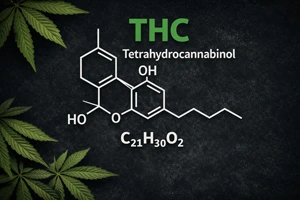
THC (Δ9-tetrahydrocannabinol):
Psychoactive; may support pain relief, sleep, appetite, and nausea. Higher doses increase the risk of anxiety or cognitive impairment⁵.
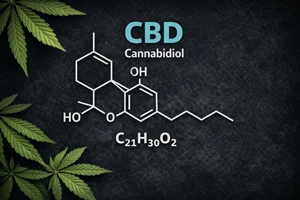
CBD (cannabidiol):
Non-intoxicating; associated with inflammation modulation, stress response, and seizure regulation⁶.
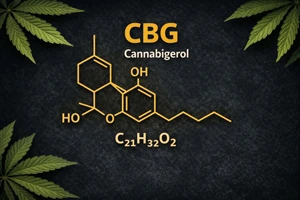
CBG (cannabigerol):
Often called the “mother cannabinoid”; early research suggests potential benefits for inflammation, gut health, and focus⁷.
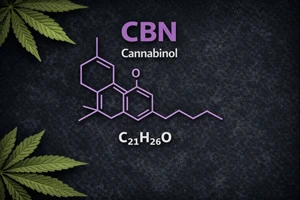
CBN (cannabinol):
Mildly psychoactive; commonly linked to sleep support and sedation, particularly in combination with THC⁸.
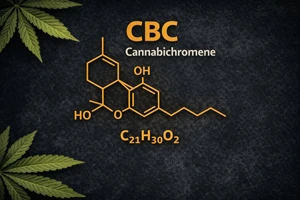
CBC (cannabichromene):
Non-intoxicating; may support pain and inflammatory pathways and interact with mood-related receptors⁹.
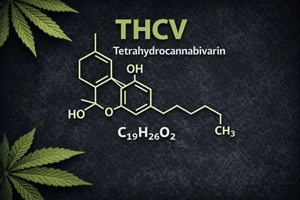
THCV (tetrahydrocannabivarin):
May produce more stimulating effects at low doses and is being studied for metabolic and appetite regulation¹⁰.
Dosing Best Practice: Start Low, Go Slow
Medical consensus consistently recommends beginning with low doses and increasing gradually¹¹. A commonly cited framework suggests starting with CBD-dominant formulations at 5 mg twice daily, increasing slowly over several days. If THC is introduced, clinical guidance often begins as low as 2–2.5 mg, with careful monitoring¹².
Secondary cannabinoids are typically present in smaller amounts, but their effects can meaningfully influence how THC and CBD are experienced.
Your Body Is the Guide
Age, metabolism, tolerance, symptom type, and delivery method (oils, capsules, edibles, inhalation) all affect dosing outcomes¹³. Keeping a dose and symptom journal remains one of the safest and most effective ways to identify your personal minimum effective dose¹⁴.
Cannabis dosing is not about chasing intensity – it’s about supporting balance.
Not sure where to start? Our free, confidential consultation helps you find a cannabis approach that feels safe, informed, and right for your body.References
Häuser et al., European Journal of Pain, 2018
Lu & Mackie, Biological Psychiatry, 2016
Russo, British Journal of Pharmacology, 2011
MacCallum & Russo, European Journal of Internal Medicine, 2018
Volkow et al., New England Journal of Medicine, 2014
Iffland & Grotenhermen, Cannabis and Cannabinoid Research, 2017
DeLong et al., Biochemical Pharmacology, 2010
Shannon et al., Medicines, 2019
Izzo et al., Phytotherapy Research, 2012
Abioye et al., Diabetes & Metabolic Syndrome, 2020
College of Family Physicians of Canada, Cannabis Guidance
Bhaskar et al., Journal of Cannabis Research, 2021
Health Canada, Information for Health Care Professionals
Bonn-Miller et al., Journal of Psychopharmacology, 2017
Disclaimer: This blog supports responsible cannabis use. The information contained in this article is for educational and informational purposes only and is not intended as health or medical advice. Always consult a physician or other qualified health provider regarding any questions you may have about a medical condition or health objectives.